

In marketing, embracing imperfection can be the key to creating genuine connection and truly resonating with your audience. Copywriter Rachel Welland explores why a more human, less polished approach might be exactly what cuts through.
So many of us are drawn to the idea of perfection – the perfect aesthetic, the perfect body, the perfect lifestyle. But deep down, we know it doesn’t really exist. What if that’s not a flaw, but an opportunity?
The fish and chip shop opening delay
Around my hometown, I’m surrounded by endless building works and roadworks. Most are a nuisance, but one genuinely made me laugh. A fish and chip shop undergoing renovations kept displaying signs announcing its opening date – only for that date to be delayed, then delayed again and again.
Frustrating as the disruption was to customers and pedestrians, the shop’s update notices made up for it. One sign essentially read: “We know we said we’d open on this date. We didn’t. Then we said this date. We didn’t do that either. We promise we’ll get there.”

That level of self-awareness and honesty was so refreshingly funny and disarming. The shop eventually opened and has since become a popular local business, showing how embracing imperfections can generate goodwill, attention and some of the best advertising a business can get.
De-influencing becomes the influencer on social media
We’re constantly exposed to influencers portraying seemingly perfect lifestyles that feel far removed from everyday reality. Increasingly, however, creators who embrace authenticity are finding audiences – and brands – drawn to their honesty and unashamed imperfections.
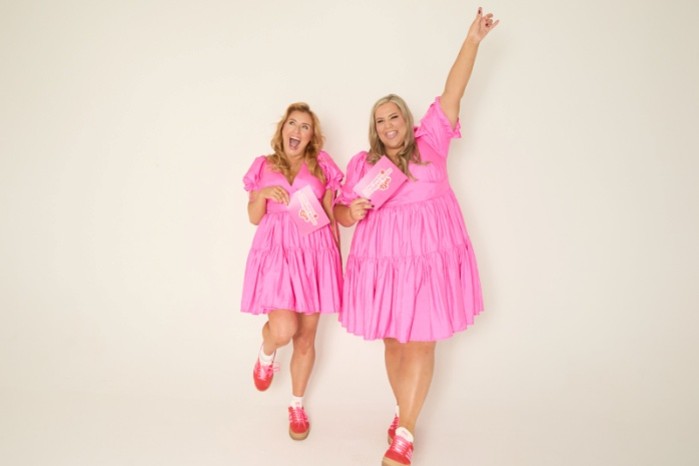
One collaboration I particularly enjoy is the Same Clothes, Different Bodies series on Instagram and TikTok by Laura Adlington and Lottie Drynan. Adlington, a size 24–26, and Drynan, a size 12–16, model the same outfits side by side, showing how great clothes can look on different body types and challenging the idea that there’s a perfect overall style and it’s only for certain people.
What makes their content particularly compelling is its honesty. As their bodies and sizes have changed over time, they’ve continued to share candid reflections on self-esteem, body image and fashion. Their work promotes inclusivity not through perfection, but through authenticity –and that’s precisely why it resonates.
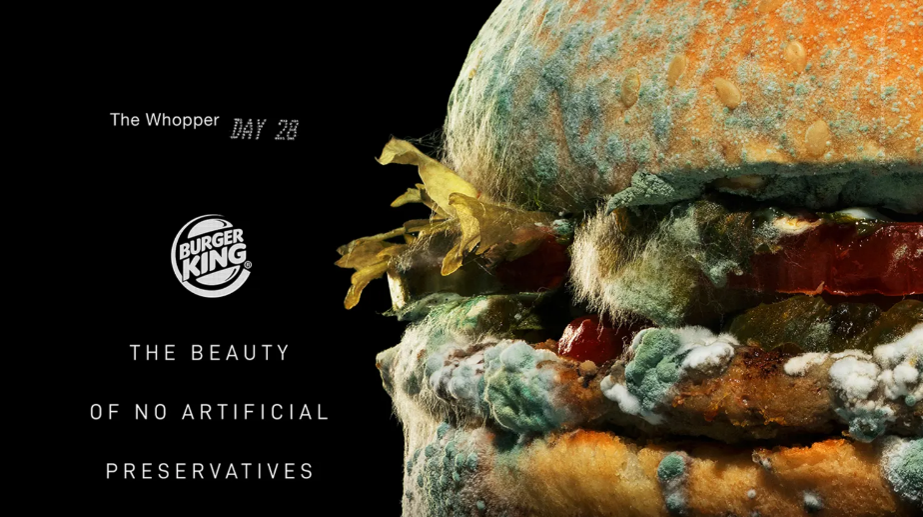
The mouldy whopper – sounds appetising, right?
Food adverts – what’s the first thing that comes to mind? I bet I can guess – a perfectly plated roast dinner drenched in slow-motion gravy, or a rich chocolate fudge cake with melted chocolate cascading over whipped cream. Well, how about a mouldy burger? Delicious!
Back in 2020, Burger King challenged those conventions when they announced they were removing artificial colours, flavours and preservatives from their signature Whopper sandwich. To make the point, the company launched an advert showing a Whopper gradually decomposing and growing mould over time.
It ‘broke the mould’ so speak, doing a complete 180 on the standard aesthetic look that food adverts aspire to. Rather than hiding an uncomfortable reality, Burger King embraced it, reinforcing the message that real food doesn’t stay perfect forever. By choosing honesty over idealised imagery, the brand demonstrated that authenticity can be far more memorable than perfection.
The ‘imperfect’ human voice is integral to brand voice
From a copywriting perspective, and from what we hear at Denfield, clients prefer content that sounds human. AI-generated copy is often very polished and disconnected from the authentic tone and message our clients want to communicate.
While AI can be a useful tool for generating ideas or overcoming a blank page, it tends to smooth out the quirks, personality and individuality that make brands relatable and memorable. The result can be content that is technically well-written but lacks the nuance, emotion and distinct voice that audiences connect with – basically, it’s too perfectionist! Find out more about this in The Last Orders Podcast where myself and our Head of Copy and Proofing, Rachel Escott, delve into what makes a brand voice really work.
The most effective copy needs to be written by a real person for another real person. It reflects a brand’s values, reveals the realness behind their story, conveys warmth and genuine care, acknowledges imperfections and speaks in a way that feels genuine rather than manufactured.
How does embracing your imperfections work for your brand? How does authenticity help you stand out? How might your audience respond if you showed the reality behind the brand?

Ready to
work with us?
Want to collaborate?
Work with us
info@denfield.co.uk
Want to say hello?
Call us
01926 881178
