

From fizzing whizzbees and moving staircases to spiders in the Forbidden Forest, Harry Potter has cast a spell over generations. At the heart of the story are powerful symbols of friendship and loyalty: from Harry, Ron and Hermione’s unbreakable bond to the patronus, a metaphor for the love and memories that guide us through darkness. But behind the magic lies marketing genius, transforming a beloved story into a global franchise. Copywriter Rachel Welland reaches for the time-turner to explore where it all began.
On 16 November 2001, Harry Potter and the Philosopher’s Stone arrived in UK cinemas, bringing J.K. Rowling’s bestselling 1997 novel to life on the big screen and introducing audiences to a magical world that would become one of the most successful entertainment franchises of all time.
Fast-forward 25 years and the magic shows no sign of disappearing. In fact, for a generation who grew up with Harry, Ron, Hermione, Hogwarts and all the characters we meet along the way, the franchise has become much more than a series of films. It’s a shared childhood memory, a cultural phenomenon and a masterclass in the power of storytelling and marketing.
From book to global phenomenon
When the first film hit the big screen, few could have predicted just how far the franchise would go.
Harry Potter and the Philosopher’s Stone arrived with the power of J.K. Rowling’s bestselling book behind it, having cultivated a growing global fanbase ready to embrace the film. The film then became the brand anchor, with AOL Time Warner using cross-promotion across television, print and online platforms to build anticipation and reach new audiences.
But the magic extended beyond the screen. Toys, apparel, books and iconic cinema posters turned fans into participants, giving them tangible ways to bring the wizarding world into their everyday lives. Even the title was localised: Philosopher’s Stone became Sorcerer’s Stone for US audiences, showing how carefully the franchise adapted its marketing for different markets.
The eight Harry Potter films have collectively generated billions at the global box office, while the wider Wizarding World has expanded into theme parks, merchandise, theatre, video games, experiences, TV shows and attractions. Even the real-life locations featured in the films have become destinations in their own right, drawing fans keen to ‘step through the platform’ and into the world they first discovered on screen.
But its success isn’t simply down to the size of the franchise. It’s the way audiences have been encouraged to step inside the story.
From receiving your Hogwarts letter to choosing your house, buying a wand, exploring Diagon Alley or visiting the Great Hall, Harry Potter has consistently turned audiences from spectators into participants.
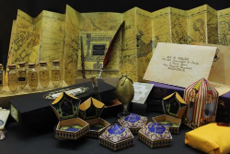


It’s not just magic – it’s marketing magic
We don’t need the marketing professors to tell us that people remember experiences long after the marketing message has been forgotten. Harry Potter has built an incredibly strong emotional connection with its audience by creating a world that people can physically experience and revisit.
This juggernaut of a franchise has also mastered the art of nostalgia. Fans who first discovered Harry Potter as children can now share its magic with the next generation, creating new fans while reigniting cherished memories for those who grew up with the original story. That’s powerful marketing – no Felix Felicis (liquid luck) required.
It demonstrates how a strong story can become a brand ecosystem, with every new experience offering another opportunity to engage and reconnect.
The power of Potter
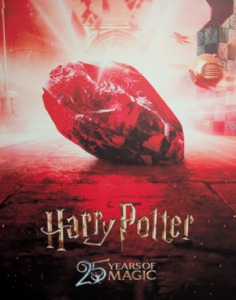
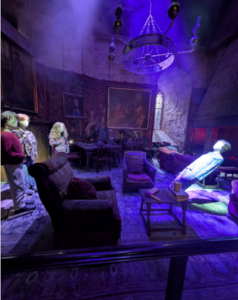
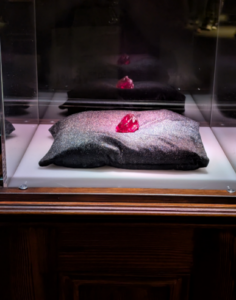
That nostalgia is being brought to life once again at the Warner Bros. Studio Tour London – The Making of Harry Potter, which is commemorating the anniversary with its First Year at Hogwarts experience.
Visitors can step back into Harry’s first year, explore original film props and costumes, and relive some of the most iconic moments from Philosopher’s Stone – culminating in the end of term feast, where Gryffindor is awarded the House Cup.
It’s a perfect example of why the franchise continues to resonate: you’re not simply watching the story – you’re stepping into it.
25 years on, the legacy continues
The films may have introduced us to Hogwarts, but the experiences, merchandise, attractions and memories have allowed audiences to keep returning. The story has even moved beyond the screen and onto the stage with Harry Potter and the Cursed Child, giving fans another way to return to the wizarding world.
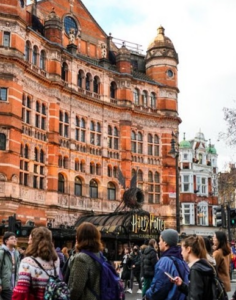
For those of us who remember queuing outside the cinema all the way back in 2001, it’s a chance to revisit a little piece of childhood. For younger audiences discovering it today, the magic is just beginning.
And from a marketing perspective, Harry Potter proves that when you create a world people want to belong to, 25 years can feel like only the beginning.
How can your brand turn your audience into active participants of your story? How does your brand emotionally connect with your audience?

Ready to
work with us?
Want to collaborate?
Work with us
info@denfield.co.uk
Want to say hello?
Call us
01926 881178
